
Best Building Materials Buying Guide for International Buyers
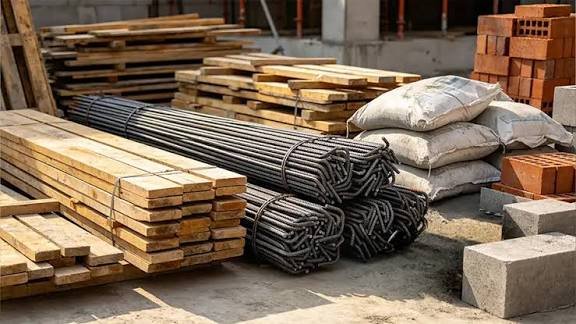
Best Building Materials Buying Guide for International Buyers
Choosing the right construction materials is one of the most important decisions in any building project. Whether you are an importer, distributor, contractor, developer, wholesaler, or purchasing manager, selecting the right products requires more than comparing prices.
This building materials buying guide explains the most important factors international buyers should consider when sourcing construction materials, including product quality, technical specifications, certifications, supplier reliability, packaging, logistics, and total purchasing cost.
For buyers sourcing from Iran, the process also involves evaluating manufacturers, export capabilities, documentation, and international shipping requirements.
Gouna Trading Group works with Iranian manufacturers and supplies a range of building materials to international B2B customers, including ceramic and porcelain tiles, natural stone, steel products, sanitary ware, bricks, and construction materials.
Why You Need a Building Materials Buying Guide
Buying construction materials internationally can involve many variables.
A product may have an attractive price but fail to meet the technical requirements of your project or destination market. Another supplier may offer excellent quality but have unsuitable packaging, high minimum order quantities, or limited export experience.
A reliable building materials buying guide should therefore help buyers evaluate the complete purchasing process rather than focusing only on the product price.
Before placing an order, consider:
- Product specifications
- Quality requirements
- Applicable standards
- Supplier reputation
- Manufacturing capacity
- Minimum order quantity
- Packaging
- Certifications
- Delivery time
- Incoterms
- Shipping costs
- Import requirements
- After-sales support
How to Choose the Right Building Materials
The correct material depends on the project, destination market, application, budget, and technical requirements.
Before comparing suppliers, define exactly what you need.
1. Define the Project Requirements
Start with the application.
Ask:
- Is the material for residential or commercial construction?
- Will it be used indoors or outdoors?
- Is it intended for walls, floors, facades, structures, or finishing?
- What environmental conditions will it face?
- What quantity is required?
- What performance characteristics are necessary?
For example, a tile used in a residential bathroom may have different requirements from a tile intended for a commercial shopping center or outdoor project.
2. Check Technical Specifications
Technical specifications are essential when comparing construction products.
Depending on the material, buyers may need to evaluate:
- Dimensions
- Thickness
- Weight
- Water absorption
- Strength
- Surface finish
- Color and shade
- Chemical resistance
- Slip resistance
- Fire resistance
- Tolerance
- Packaging specifications
Always request the manufacturer’s technical data sheet before making a large purchase.
Building Materials Buying Guide: Ceramic and Porcelain Tiles
Ceramic and porcelain tiles are among the most important products in the international building materials market.
Gouna Trading currently supplies ceramic and porcelain tile products, including large-format and polished porcelain products.
When buying tiles internationally, pay attention to several technical characteristics.
Water Absorption
Water absorption is an important factor when selecting ceramic and porcelain tiles.
Porcelain tiles generally have very low water absorption, which makes them suitable for many applications where durability and moisture resistance are important.
However, the appropriate product should always be selected according to the intended application and manufacturer’s specifications.
Surface Finish
Common finishes include:
- Polished
- Matt
- Glossy
- Structured
- Textured
The finish affects the appearance, maintenance requirements, and suitability of the tile for different applications.
Size and Format
Tile dimensions should be considered carefully before ordering.
Popular formats can include:
- 60 × 60 cm
- 60 × 120 cm
- 80 × 80 cm
- Large-format tiles
- Custom formats depending on the manufacturer
Large-format products require appropriate handling, packaging, transportation, and installation considerations.
Shade Consistency
For large projects, shade consistency is particularly important.
Buyers should confirm:
- Batch information
- Shade classification
- Calibration
- Rectification
- Quantity available from the same production batch
Ordering enough material from compatible production batches can help reduce color variation between installed products.
Building Materials Buying Guide: Natural Stone
Natural stone is another important construction material used for floors, walls, facades, countertops, landscaping, and architectural projects.
Iran has significant natural stone resources, and Gouna Trading includes natural stone among its export product categories.
When sourcing natural stone, buyers should evaluate:
Stone Type
Common categories include:
- Marble
- Travertine
- Granite
- Limestone
- Onyx
Each stone has different characteristics and applications.
Color and Pattern
Natural stone is a natural product, so color, veins, patterns, and texture can vary.
For commercial projects, buyers should request representative samples and, where appropriate, photographs or samples from the actual production batch.
Thickness and Dimensions
Specify the required:
- Thickness
- Slab size
- Tile size
- Surface finish
- Edge treatment
before requesting a quotation.
Quality Control
Inspect stone for characteristics such as:
- Cracks
- Resin treatment
- Surface defects
- Uneven thickness
- Color consistency
- Polishing quality
- Edge quality
For large international orders, pre-shipment inspection can provide additional quality assurance.
Building Materials Buying Guide: Steel and Metal Products
Steel and metal products are widely used in construction, manufacturing, infrastructure, and industrial projects.
Gouna Trading lists steel and metal among its building material categories and currently features steel billet products.
When sourcing steel internationally, buyers should pay close attention to:
- Steel grade
- Chemical composition
- Mechanical properties
- Dimensions
- Weight
- Production standard
- Mill test certificates
- Quantity
- Packaging
- Loading requirements
For steel products, technical documentation can be particularly important because material specifications directly affect how the product can be used in a project.
Buyers should clearly specify the required standard and grade before receiving quotations.
Building Materials Buying Guide: Sanitary Ware
Sanitary ware includes products used in bathrooms and other sanitary facilities.
Typical products include:
- Toilets
- Squat toilets
- Wash basins
- Bidets
- Bathroom fixtures
- Related sanitary products
Gouna Trading currently supplies Iranian sanitary ware products, including the Firouzeh 59 squat toilet.
When selecting sanitary ware, buyers should consider:
- Dimensions
- Material
- Glazing quality
- Color
- Installation type
- Water consumption
- Packaging
- Spare parts
- Manufacturer warranty
- Applicable market requirements
For projects with large quantities, packaging quality is particularly important because sanitary ware can be vulnerable to damage during transportation.
Building Materials Buying Guide: Bricks and Blocks
Bricks and blocks are fundamental construction materials used in structural and architectural applications.
Buyers should evaluate:
- Dimensions
- Density
- Compressive strength
- Water absorption
- Thermal properties
- Fire performance
- Color
- Surface appearance
- Packaging
- Application
The appropriate product depends on local building codes and the intended application.
Before importing bricks or blocks, confirm the technical requirements of the destination market.
Building Materials Buying Guide: Cement and Construction Materials
Cement and other construction materials require careful technical evaluation.
Depending on the product, buyers may need to verify:
- Product type
- Strength class
- Setting characteristics
- Packaging
- Shelf life
- Storage requirements
- Applicable standards
- Test certificates
For specialized construction materials such as tile adhesives, technical specifications should be checked against the intended application.
For example, Gouna Trading’s porcelain tile adhesive is designed for porcelain, ceramic, and other low-porosity tile applications, with final technical specifications subject to the manufacturer’s Technical Data Sheet.
How to Compare Building Material Suppliers
Finding a product is only one part of the sourcing process.
The supplier is equally important.
When comparing suppliers, evaluate:
Manufacturing Capacity
Ask about:
- Factory capacity
- Monthly production
- Available product lines
- Production lead time
- Customization capability
Export Experience
An experienced exporter should understand:
- Export documentation
- Packaging requirements
- International shipping
- Customs procedures
- Incoterms
- Destination-market requirements
Quality Control
Ask whether the supplier provides:
- Technical Data Sheets
- Certificates
- Test reports
- Inspection reports
- Samples
- Batch information
Gouna Trading states that its export process includes sourcing, quality inspection, export documentation, customs clearance, and international shipping coordination.
Price Is Not the Only Factor
One of the most common mistakes in international sourcing is selecting a supplier based only on the factory price.
The final purchasing cost can include:
Product Price + Packaging + Inland Transportation + Export Costs + Freight + Insurance + Customs + Import Costs
Therefore, a supplier with a lower product price may not always have the lowest total landed cost.
When comparing quotations, make sure all commercial conditions are clearly defined.
What Are Incoterms?
Incoterms define important responsibilities between buyers and sellers in international trade.
Common terms include:
- EXW
- FOB
- CFR
- CIF
The appropriate Incoterm depends on the transaction, destination, logistics structure, and agreement between buyer and seller.
Gouna Trading states that it works with standard international Incoterms such as FOB, CIF, and CFR, with delivery times depending on destination, product availability, and order volume.
Before signing a contract, confirm exactly which costs and responsibilities belong to the buyer and which belong to the seller.
How to Check Building Material Quality Before Purchase
Quality verification should happen before the goods leave the factory whenever possible.
A practical process can include:
Step 1: Request Samples
Samples allow buyers to evaluate the actual product before placing a large order.
Step 2: Review Technical Documents
Ask for relevant:
- Technical Data Sheets
- Certificates
- Test reports
- Product specifications
Step 3: Confirm the Manufacturer
Verify:
- Factory location
- Production capacity
- Product range
- Export experience
Step 4: Conduct Inspection
For larger orders, consider arranging an independent pre-shipment inspection.
Gouna Trading also notes that third-party inspection can be arranged for international orders when requested.
Step 5: Confirm Packaging
Packaging should be suitable for international transportation and the specific product.
This is especially important for:
- Tiles
- Stone
- Sanitary ware
- Glass
- Fragile finishing materials
Building Materials Buying Checklist for International Buyers
Before placing an international order, use this checklist:
Product
-
Product specifications confirmed
-
Dimensions confirmed
-
Quantity confirmed
-
Quality requirements confirmed
-
Samples approved
Supplier
-
Manufacturer verified
-
Production capacity checked
-
Export experience confirmed
-
References or previous export markets reviewed
Documentation
-
Technical Data Sheet
-
Certificates
-
Test reports where required
-
Commercial invoice
-
Packing list
-
Certificate of origin if required
-
Shipping documents
Commercial Terms
-
Product price confirmed
-
MOQ confirmed
-
Payment terms agreed
-
Incoterm confirmed
-
Delivery schedule confirmed
-
Packaging specifications confirmed
Logistics
-
Loading method confirmed
-
Shipping route evaluated
-
Freight quotation checked
-
Destination requirements reviewed
-
Insurance requirements considered
Why Source Building Materials from Iran?
Iran has a large manufacturing base and natural resources supporting several building material industries.
Gouna Trading’s current product portfolio includes ceramic and porcelain tiles, natural stone, steel and metal, sanitary ware, bricks and blocks, and cement and construction materials.
For international buyers, sourcing from Iran can provide access to manufacturers across multiple product categories through one export partner.
Gouna Trading describes its role as connecting international buyers with Iranian manufacturers and coordinating sourcing, quality control, documentation, customs, and shipping.
How Gouna Trading Can Help
International buyers do not always want to communicate with multiple factories, negotiate with several suppliers, organize inspections, and coordinate separate shipments.
An export partner can simplify the process.
Gouna Trading Group works with Iranian manufacturers and offers B2B sourcing and export services for international buyers, including wholesalers, distributors, contractors, and construction companies.
The sourcing process can include:
- Receiving the buyer’s requirements
- Identifying suitable manufacturers
- Comparing available products
- Requesting technical information
- Negotiating commercial terms
- Coordinating quality requirements
- Preparing export documentation
- Organizing loading and shipping
Frequently Asked Questions
What is the most important factor when buying building materials?
There is no single factor that applies to every project. Buyers should evaluate product quality, technical specifications, supplier reliability, total cost, certifications, packaging, and destination-market requirements together.
How can I compare different building materials?
Start by defining the technical requirements of your project. Then compare products based on specifications, quality, certifications, price, availability, supplier capacity, and total landed cost.
Should I request samples before placing a large order?
Yes. For many building materials, samples can help buyers evaluate appearance, finish, quality, dimensions, and other characteristics before committing to a large order.
What documents should I request from a building material supplier?
Depending on the product, you may need a Technical Data Sheet, certificates, test reports, commercial documents, packing information, and export documentation.
How do I choose a reliable building materials supplier?
Evaluate the manufacturer’s production capacity, quality-control system, export experience, technical documentation, product consistency, packaging, commercial terms, and ability to meet your delivery requirements.
Can I buy different building materials from Iran through one supplier?
Yes. An export company can coordinate sourcing from multiple Iranian manufacturers and help international buyers simplify procurement and logistics. Gouna Trading’s current portfolio covers several building material categories.
How can I request a quotation from Gouna Trading?
Provide your product requirements, technical specifications, quantity, and destination country. Gouna Trading can evaluate sourcing options and prepare a quotation based on the project requirements.
Conclusion
Choosing construction products requires careful evaluation of quality, technical specifications, supplier reliability, certifications, packaging, logistics, and total cost.
This building materials buying guide can help international buyers create a structured sourcing process before purchasing ceramic and porcelain tiles, natural stone, steel products, sanitary ware, bricks, or construction materials.
For buyers interested in sourcing building materials from Iran, Gouna Trading Group provides B2B sourcing and export services and works with Iranian manufacturers across multiple product categories.
Looking for building materials from Iran? Send Gouna Trading your product specifications, required quantity, and destination country to discuss available sourcing options.